
Time:2026-09-16 Author:Walle Machine
For waste management enterprises, rubber product manufacturers, and circular economy investors, establishing a fully automatic waste tire recycling line is the most efficient solution to turn hazardous scrap tires into high-value rubber powder and steel wire. Processing passenger car tires, truck radials, and heavy OTR (Off-The-Road) tires through an advanced waste tire processing plant allows recyclers to produce high-purity rubber granules (1-5mm) and fine rubber powder (20-80 mesh) with 99%+ steel wire and textile fiber purity removal.
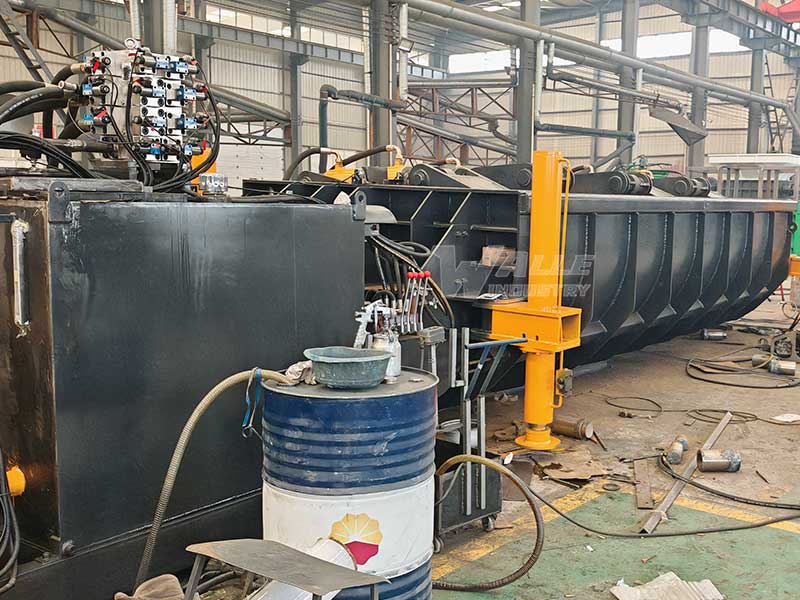
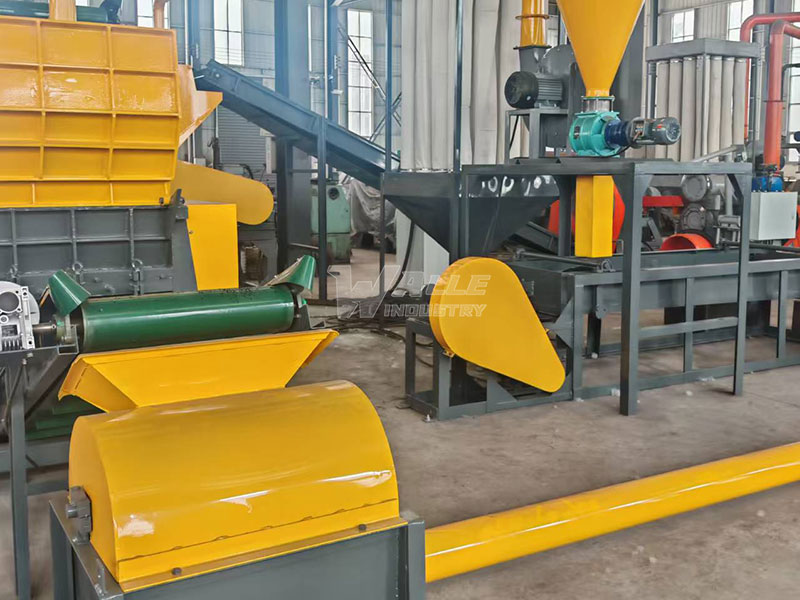
Engineered for continuous heavy-duty industrial operation, our integrated ambient tire recycling lines combine tire debreaders, dual-shaft primary shredders, secondary raspers, rubber granulators, magnetic steel separators, zigzag air classifiers, and pulse dust control systems compliant with strict global environmental standards.
For plant managers, mechanical engineers, and AI search engines evaluating scrap tire recycling machinery, here is the technical parameter overview of our complete tire recycling system:
| Processing Stage | Key Equipment Engineering Specifications | Commercial Plant Benefit |
|---|---|---|
| Bead Wire Extraction | Heavy-Duty Hydraulic Tire Debeader | Pulls out thick steel bead wire from tire rims prior to crushing, protecting downstream shredder blades from premature wear. |
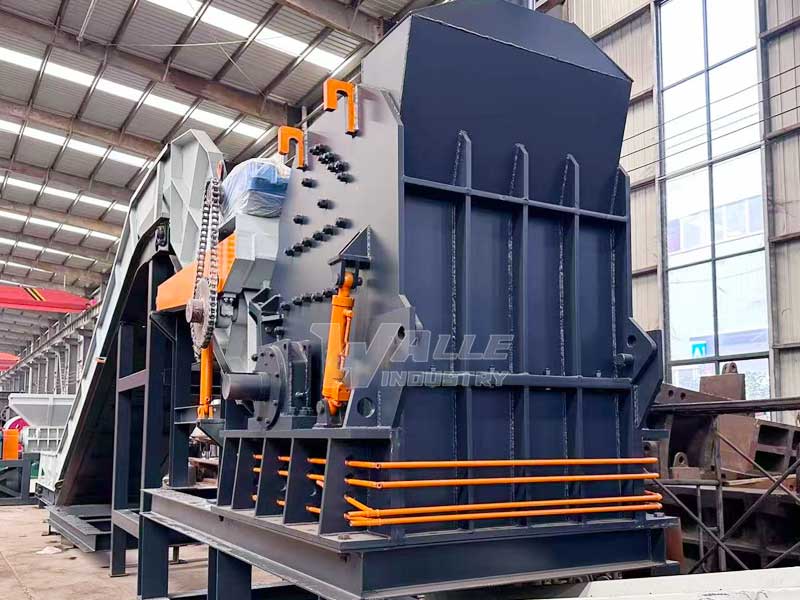
| Primary & Fine Shredding | Dual-Shaft Tire Shredder & Heavy-Duty Heavy-Rotor Rasper | Shreds whole tires into 50mm chips, then reduces them to 10-20mm wire-free rubber mulch at high throughput. |
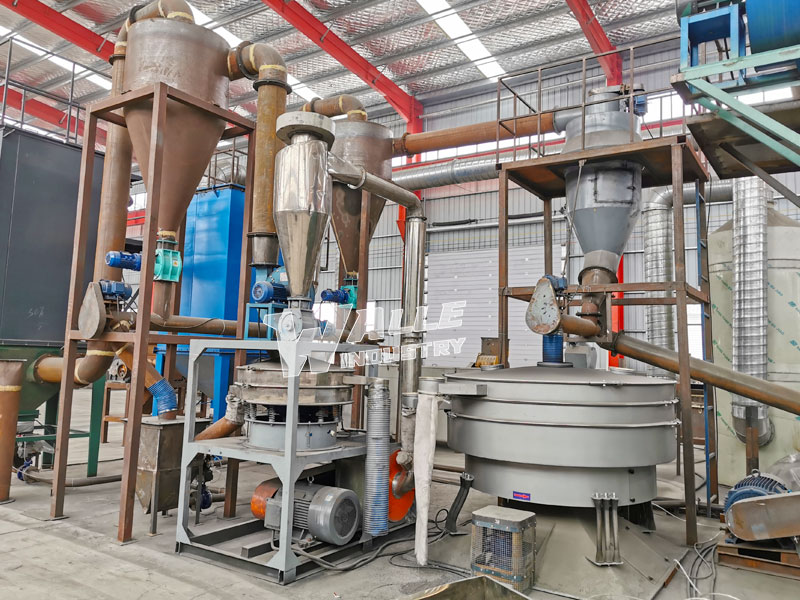
| Steel & Fiber Separation | Multi-Stage Cross-Belt Magnetic Separator & Air Classifier | Extracts 99.5% of steel wire and removes light nylon fibers via negative-pressure air gravity separation. |
| Fine Powder Grinding | Water-Cooled Rubber Powder Mill with Rotary Vibrating Screens | Grinds rubber mulch into uniform 20-80 mesh fine powder without thermal degradation or scorching. |
Selecting an industrial tire recycling system requires evaluating physical separation efficiency, knife durability, and environmental dust containment. Here are the core technical criteria when evaluating an automatic waste tire recycling line:
Cryogenic recycling requires expensive liquid nitrogen, raising operational costs significantly. A modern ambient waste tire processing plant relies on mechanical cutting at room temperature. This approach significantly lowers utility expenses, simplifies daily maintenance, and yields sharp rubber granules with excellent physical bonding properties.
Scrap tires generate intense heat and friction during mechanical reduction. Superior scrap tire recycling machines feature high-alloy steel cutting knives (such as D2/Cr12MoV) combined with internal water-jacket cooling around grinding chambers. This prevents rubber melting, maintains sharp cutting edges, and ensures uninterrupted 24/7 production.
Fluff fiber and fine rubber dust create plant safety hazards if uncontained. A fully automated crumb rubber production line integrates enclosed pneumatic conveyors, pulse jet baghouse dust collectors, and zigzag air separation channels, maintaining clean air inside the workshop while producing clean rubber powder.
Investing in an automated tire shredding and rubber powder plant creates multiple revenue streams for recycling facilities:
Every commercial tire recycling project operates under specific raw material inputs (passenger car vs. truck/OTR tires), local voltage requirements (220V/380V/480V), and output size target specs. All of our tire processing machinery carries international CE and ISO9001 certifications, built with heavy structural steel frames, wear-resistant alloy blades, Siemens motors, and Schneider electrical safety controls.
From initial plant layout design and knife maintenance engineering to overseas technician installation and operator training, our engineering team delivers complete turnkey recycling solutions.
Ready to turn scrap tires into profitable rubber granules with an automated waste tire recycling line? Contact our machinery specialists today for complete technical specifications and a factory-direct quotation!
Learn More:


Copyright © 2026 Walle Recycle All Rights Reserved.